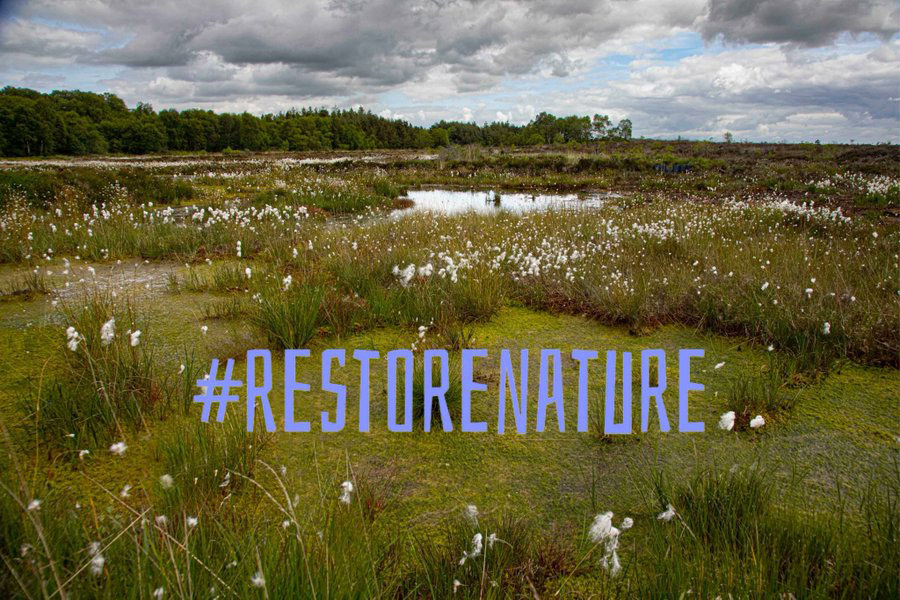
In June 2024, the EU passed the landmark Nature Restoration Law, the most ambitious piece of nature legislation to come out of Europe in 30 years. The regulation aims to restore nature right across land and sea. It establishes progressive targets and timelines to restore nature within protected areas, cities, farmland and forestry.
The Environmental Pillar played a key role in the passing of the law at an EU level with our members and grassroots supporters helping to secure political support for the law at all levels of government.
Following the passing of the Nature Restoration Law at EU level we’ve been proactive, working with Natural Capital Ireland on Recommendations for Funding Nature Restoration in Ireland.
Now the focus has shifted to the national stage, where Ireland must publish a Nature Restoration Plan that will map out how, where and by when restoration will be achieved.
We’ve worked with other stakeholders through the Independent Advisory Committee on Nature Restoration to advise the Minister of State for Nature, Heritage and Biodiversity how ambitious nature restoration should be achieved. The IAC’s recommendations launched on 29 April, was the culmination of 15-months of collaboration and contain 94 recommendations.
A public consultation on Ireland’s draft National Nature Restoration Plan ran from four weeks from June 3rd to July 1st.
The Environmental Pillar’s submission – Recommendations: How to Restore Nature in Ireland – to the consultation made over 300 recommendations that we believe are necessary to fully implement the legal obligations of the Nature Restoration Regulation and place nature on the road to recovery in a way that empowers and enriches stakeholders and communities.
Our Key Priorities for Ireland’s Nature Restoration Plan include:
1. An Ambitious Nature Restoration Plan
2. Political Leadership and Whole-of-Government Approach
3. Sustainable and Long-Term Financing
4. Unlocking the Potential of Public Lands
5. Empowering Civil Society
6. Empowering Our Custodians
7. No Backsliding on Environmental Protections
8. An Ecologically Coherent Network of Marine Protected Areas
9. Prioritise the habitats of threatened species
Helping shape Ireland’s Nature Restoration Plan
The Environmental Pillar has produced a range of reports to help inform Ireland’s Nature Restoration Plan. These projects draw on the expertise within our network to identify where nature should be restored, where action is most urgently needed, and where ambitious restoration on public land could deliver the greatest impact.
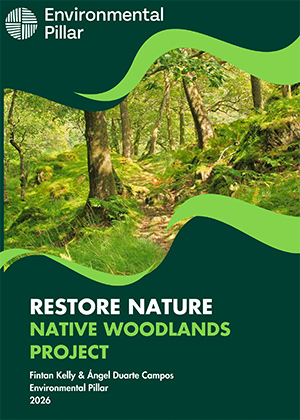
The Environmental Pillar’s Restore Nature: Native Woodlands project supports Ireland’s National Restoration Plan by identifying high-conservation-value native woodlands with strong potential for restoration and improved connectivity on public lands. Using GIS analysis, the project maps priority woodland clusters and highlights opportunities to expand and reconnect fragmented habitats. It identifies 29 native woodland clusters nationwide, 14 of which are prioritised because of their scale, ecological value and potential for expansion on public land. These include Killarney National Park, Glendalough and Clara Vale, the Avoca Valley and Glengarriff Woods. The project provides a strong evidence base to help Ireland meet its native woodland restoration targets under the Nature Restoration Regulation.
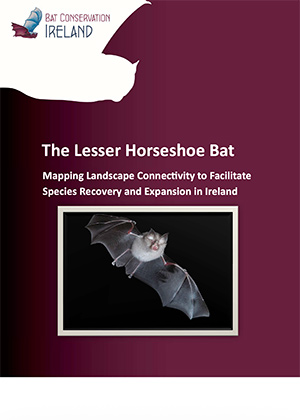
The Lesser Horseshoe Bat Mapping Landscape Connectivity to Facilitate Species Recovery and Expansion in Ireland, a collaboration between Bat Conservation Ireland, the Vincent Wildlife Trust and the Native Woodland Trust, presents the results of a new study on landscape permeability for the lesser horseshoe bat throughout its range by identifying pathways that link known roosts with areas that may contribute towards the recovery and range expansion of the species.
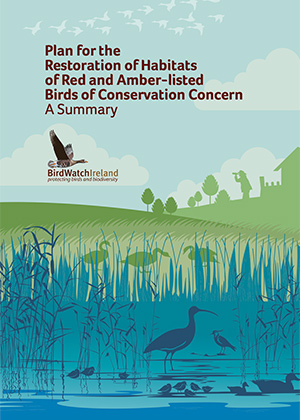
BirdWatch Ireland has prepared The Plan for the restoration of habitats of red and amber-listed Birds of Conservation Concern in Ireland under the EU Nature Restoration Regulation. It is a restoration Plan to help Ireland’s birds, which this document summarises. Birdwatch Ireland has identified 71,450 hectares of habitat in protected areas which should be restored for threatened bird species, with over 9,000 hectares in public ownership, offering a great opportunity to start restoration quickly. It also presents restoration measures.